Popunder Evolution: From Annoying to High-ROI Format
Popunders have long been considered something “toxic.” Some people still remember those endless windows that popped up on top of the website and interfered with their work. But everything has changed in arbitration: today, popunders are a powerful tool that can generate volume and ROI if used correctly.
How it all began
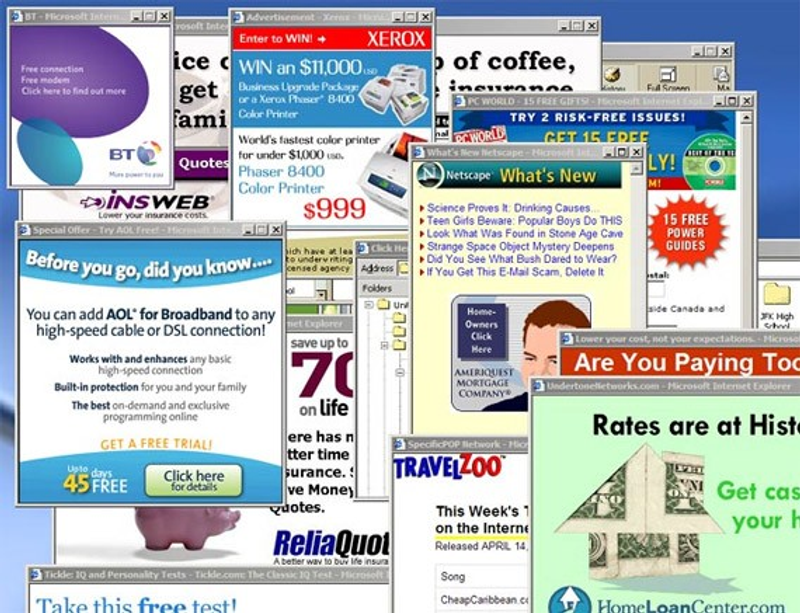
In the early 2000s, popunders were as intrusive as possible. Advertisers put everything there, users got angry, browsers blocked them. The format was considered “noisy” and rather harmful to brands.
What has changed

Now the situation is different:
- Filters and anti-fraud. “Junk” traffic is gone, and platforms are strictly cleaning up their sources.
- Precise targeting. You can target by GEO, device, browser, and time of day.
- Clean integration. The window opens in the background without disturbing the user.
- Flexible bid management. Microbidding, auto rules, traffic quality selection — all of this is available in modern networks.
Why popunders are good for arbitrageurs
- Volume. Pop-unders are one of the largest sources of traffic, ideal for scaling.
- Price. CPC and CPM are lower than in push notifications or native advertising. Good for testing.
- Flexibility. Suitable for different verticals: dating, betting, gambling, software, installations.
- Combo. Popunders work great in combination with push notifications or retargeting: catch the user → follow up with a push notification.
Where popunders work best
- Tier-2/3 GEO. Africa, Latin America, Asia — CTR and CR are higher there, and competition is lower.
- Dating and nutra. Simple mechanics → quick lead → profit in your pocket.
- Gambling and betting. Mass reach and bright creatives warm up the audience perfectly.
👉 You can check where traffic is currently available on the Youtarget showcase with up-to-date impressions and CPM.
Tips for working with pops
- Segment. Don’t lump everything into one campaign — divide by GEO, devices, offers.
- Watch out for fraud. Choose networks with anti-fraud measures (for example, Adsafee in Youtarget).
- Test creatives. Even with pop-ups, banners determine CTR.
- Combine. Pop-ups work well in multi-channel funnels: Pop + Push + Native.
Conclusion
Pop-unders have long ceased to be “cheap spam.” In 2025, they are a working tool that delivers high volumes and a solid ROI when configured correctly.
👉 If you want to get the most out of pop-ups, use precise targeting, anti-fraud, and combine formats. Then they will turn from “annoying windows” into a real source of profit.
This article is also available in Russian.