
Building Sustainable Traffic Sources for Long-Term Arbitrage Success
Traffic arbitrage involves purchasing traffic from various sources at a lower cost and monetizing it at a higher rate through advertisements. While this strategy can yield significant short-term profits, building sustainable traffic sources is crucial for long-term success. Sustainable traffic ensures consistent, high-quality visitors, which is essential for maintaining profitability and scaling your arbitrage efforts over time.
Understanding Sustainable Traffic Sources
A sustainable traffic source provides a steady flow of visitors over the long term without relying on one-time campaigns or fleeting trends. Characteristics of sustainable traffic sources include:
- Consistency: The ability to deliver traffic regularly without significant fluctuations.
- Quality: High engagement and conversion rates, indicating that the traffic is relevant and interested in the content or offers.
- Scalability: The potential to increase traffic volume without compromising quality or incurring prohibitive costs.
These characteristics are essential for building a robust foundation for long-term arbitrage success, as discussed in “Easy Arbitrage Optimization Technique“.
Types of Sustainable Traffic Sources
To ensure a diverse and reliable traffic mix, consider integrating the following types of sustainable traffic sources:
- Organic Traffic
- SEO: Optimizing your website to rank higher in search engine results, driving long-term organic traffic.
- Content Marketing: Creating valuable content that attracts and retains visitors over time.
- Paid Traffic
- PPC: Running pay-per-click campaigns that can be optimized for long-term profitability.
- Social Media Ads: Using targeted ads on platforms like Facebook and Instagram to drive consistent traffic.
- Referral Traffic
- Affiliate Marketing: Partnering with affiliates to generate traffic through their promotional efforts.
- Collaborations: Working with industry influencers and complementary businesses to drive traffic.
- Direct Traffic
- Brand Building: Establishing a strong brand presence that encourages direct visits.
- Email Marketing: Leveraging email campaigns to drive repeat traffic.

Strategies for Building Organic Traffic
- SEO Best Practices
- Keyword Research: Identifying and targeting relevant keywords that your audience is searching for.
- On-Page Optimization: Ensuring your website is optimized for search engines with relevant meta tags, headings, and high-quality content.
- Technical SEO: Improving site speed, mobile-friendliness, and overall usability.
- Content Marketing
- Blogging: Regularly publishing blog posts that address your audience’s needs and interests.
- Guest Posting: Writing articles for other reputable sites to drive traffic back to your own site.
- Link Building
- Quality Backlinks: Acquiring links from high-authority websites to improve domain authority and search rankings.
- Outreach: Building relationships with other site owners to gain backlinks.
For further insights, refer to “Affiliate Marketing Verticals: Guide for Beginners 2024” to understand how different verticals can impact your organic traffic strategies.
Leveraging Paid Traffic for Long-Term Success
- PPC Campaigns
- Keyword Targeting: Selecting high-intent keywords that drive qualified traffic.
- Ad Optimization: Continuously testing and refining ad copy and landing pages to improve performance.
- Social Media Advertising
- Targeted Ads: Using demographic and interest-based targeting to reach your ideal audience.
- Retargeting: Implementing retargeting strategies to re-engage visitors who have previously interacted with your site.
- Retargeting
- Segmented Campaigns: Creating customized ads for different audience segments based on their behavior.
- Dynamic Retargeting: Showing ads featuring products or services that users have previously viewed on your site.

Maximizing Referral Traffic
Referral traffic, driven by external links from other websites, can be a reliable and high-quality source of visitors. To maximize referral traffic, consider the following strategies:
- Affiliate Marketing
- Building a Robust Affiliate Program: Create an attractive affiliate program with competitive commissions and support for your partners. This encourages affiliates to promote your site consistently.
- Providing Marketing Materials: Supply affiliates with high-quality banners, text links, and other promotional materials to help them drive traffic effectively.
- Partnerships and Collaborations
- Industry Influencers: Partner with influencers in your niche who can drive traffic by endorsing your products or services. Their followers are likely to trust their recommendations, leading to high-quality referral traffic.
- Complementary Businesses: Collaborate with businesses that offer complementary products or services. For example, if you sell fitness equipment, partner with a health supplement company to cross-promote each other’s offerings.
- Content Syndication
- Guest Blogging: Write guest posts for popular blogs in your industry, including a link back to your site. This not only drives traffic but also improves your SEO.
- Content Sharing Platforms: Use platforms like Medium or LinkedIn to republish your content and reach a broader audience.
Enhancing Direct Traffic
Direct traffic consists of visitors who type your URL directly into their browser, usually because they are familiar with your brand. Strategies to enhance direct traffic include:
- Brand Building
- Consistent Branding: Ensure your branding is consistent across all channels, creating a strong and memorable identity.
- Brand Awareness Campaigns: Invest in campaigns that build brand awareness, such as sponsorships, events, and offline advertising.
- Email Marketing
- Regular Newsletters: Send out regular newsletters with valuable content, updates, and promotions to keep your audience engaged and encourage repeat visits.
- Personalized Emails: Use personalization techniques to make your emails more relevant to the recipients, increasing the likelihood of clicks and visits.
- Community Engagement
- Social Media Groups: Create and actively manage social media groups or forums where your audience can engage with your brand and each other.
- Interactive Content: Use interactive content like polls, quizzes, and contests to engage your audience and encourage them to visit your site directly.
For additional strategies on boosting engagement and traffic, refer to “Innovative Content and Social Media Strategies for Affiliate Marketing“, which provides valuable insights into leveraging social platforms.
Monitoring and Optimizing Traffic Sources
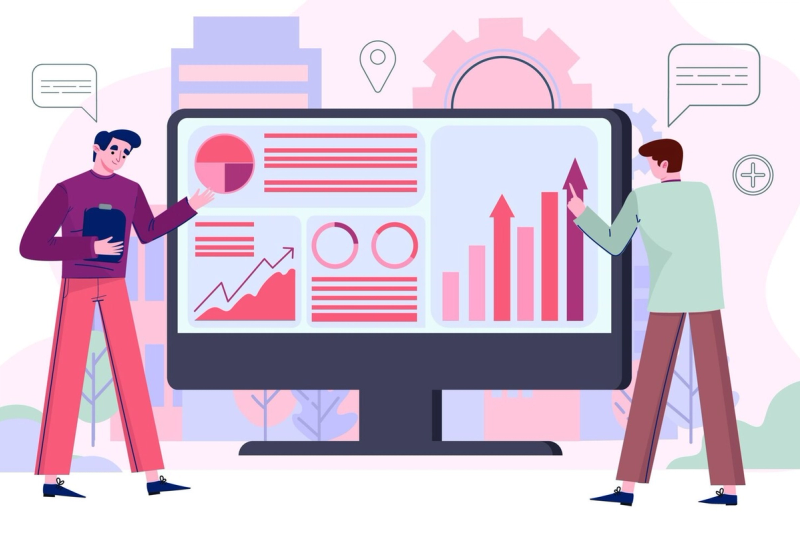
To ensure the sustainability of your traffic sources, continuous monitoring and optimization are essential. Here’s how to effectively manage your traffic:
- Analytics Tools
- Google Analytics: Use Google Analytics to track and analyze traffic sources, user behavior, and conversion rates. It provides detailed insights into which sources are performing well and which need improvement.
- Heatmaps and Session Recordings: Tools like Hotjar can help you understand how users interact with your site, identifying areas for improvement.
- Performance Metrics
- Traffic Quality: Monitor metrics like bounce rate, average session duration, and pages per session to gauge the quality of your traffic.
- Conversion Rates: Track conversion rates from different traffic sources to understand which ones are delivering the highest ROI.
- Continuous Optimization
- A/B Testing: Regularly test different elements of your site, such as landing pages, CTAs, and ad creatives, to optimize performance.
- Feedback Loops: Use feedback from users and affiliates to continuously improve your traffic generation strategies.
Before moving on to case studies and challenges, ensure these monitoring and optimization strategies are clearly understood and implemented to maintain and enhance the sustainability of your traffic sources.
Case Studies
Real-world examples provide practical insights into how businesses have successfully built sustainable traffic sources. Here are two case studies:
- Case Study 1: An E-commerce Site
- Strategy: The site focused on building organic traffic through SEO and content marketing. They published high-quality blog posts targeting long-tail keywords and built backlinks from reputable sites.
- Outcome: Over a year, the site saw a 50% increase in organic traffic and a significant boost in conversions from this traffic.
- Case Study 2: A SaaS Company
- Strategy: The company leveraged paid traffic and retargeting to drive consistent, high-quality traffic. They ran targeted PPC campaigns and used retargeting to re-engage visitors who had previously shown interest.
- Outcome: This approach led to a 35% increase in website traffic and a 20% improvement in conversion rates.
These case studies highlight the effectiveness of combining different traffic sources and continuously optimizing strategies for long-term success.

Challenges and Solutions
Building sustainable traffic sources comes with its own set of challenges. Here are some common challenges and solutions:
- Data Privacy Regulations
- Challenge: Complying with data privacy laws like GDPR and CCPA can be complex and impact data collection practices.
- Solution: Stay informed about relevant regulations and implement compliant data collection and processing practices.
- Maintaining Traffic Quality
- Challenge: Ensuring the traffic remains high-quality and relevant over time can be difficult.
- Solution: Regularly review and refine targeting criteria and traffic sources to maintain high-quality visitors.
- Ad Fatigue
- Challenge: Over time, users may become desensitized to your ads, leading to reduced effectiveness.
- Solution: Continuously refresh ad creatives and experiment with new formats and messages to keep the audience engaged.
Future Trends in Traffic Arbitrage
The landscape of traffic generation is continuously evolving. Here are some emerging trends to watch:
- AI-Driven Traffic Optimization
- AI and machine learning are increasingly being used to optimize traffic sources, improve targeting, and enhance personalization.
- Voice Search and Smart Assistants
- As voice search becomes more prevalent, optimizing for voice queries will be essential for capturing organic traffic.
- New Traffic Sources
- Emerging platforms and technologies, such as connected TV and IoT devices, offer new opportunities for traffic generation.
Staying ahead of these trends will be crucial for maintaining a competitive edge in traffic arbitrage.
Building sustainable traffic sources is essential for long-term success in traffic arbitrage. By leveraging a mix of organic, paid, referral, and direct traffic, and continuously monitoring and optimizing these sources, marketers can ensure a steady flow of high-quality visitors. As the digital landscape evolves, staying informed about emerging trends and best practices will be key to sustaining success.
For further reading, consider exploring resources such as “Navigating the Programmatic Advertising Landscape: Challenges and Solutions” to deepen your understanding of advanced marketing strategies and tools.